DEA Wall of Faces Reveals Fentanyl’s True Grip on Florida
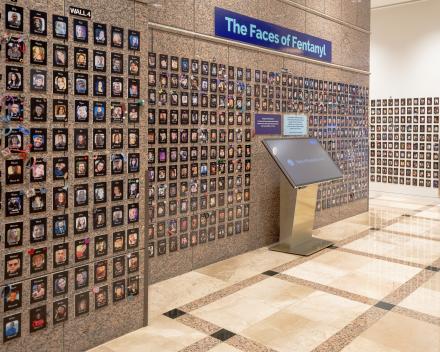
The fentanyl crisis continues to claim lives across the United States—and Florida has not been spared from its devastating impact. In response, the Drug Enforcement Administration (DEA) launched Faces of Fentanyl, a powerful tribute to those lost to fentanyl-related overdoses.
The physical memorial wall is located at DEA Headquarters in Arlington, Virginia (700 Army Navy Drive) and is open to the public Tuesday through Saturday, from 10 a.m. to 4 p.m. However, the exhibit is also available online, allowing people from anywhere to view, honor, and even submit to the list of victims.
The digital version features photos, names, and age groups from every state. Visitors can filter the gallery by state to view tributes specific to the Sunshine State.
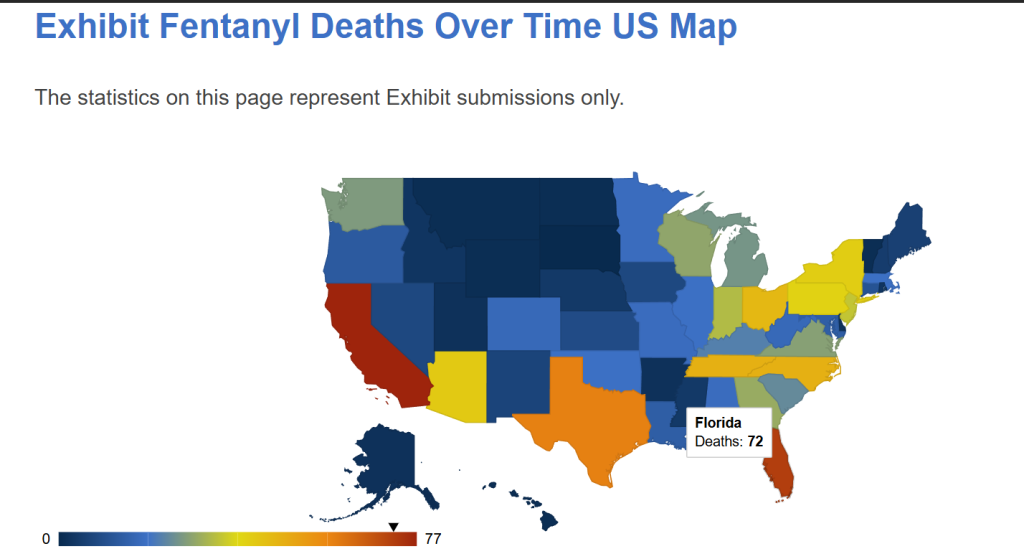
The DEA’s website also features a breakdown of memorial statistics, revealing that Florida has the second-highest number of fentanyl-related deaths in the nation—trailing only California.
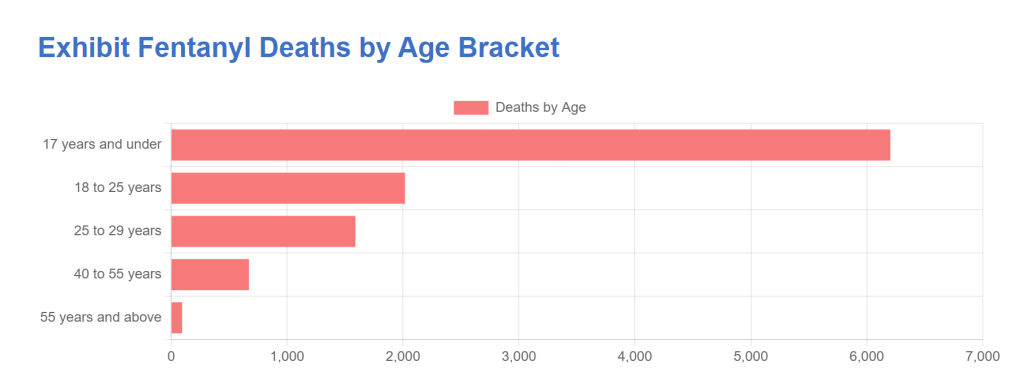
Even more heartbreaking, the data shows that the overwhelming majority of the lives lost were under the age of 17.
In addition to the memorial, the DEA has created Together for Families, a resource hub for those affected by fentanyl. It includes prevention tools, coping strategies, and guidance for individuals supporting loved ones through substance use challenges.
Whether you’re looking for educational resources or simply wish to pay your respects, these initiatives offer a powerful and necessary look at a public health crisis that continues to affect families across the nation.
Why Fentanyl Is So Dangerous
According to information provided by the DEA, fentanyl is a powerful synthetic opioid that is 100 times stronger than morphine and 50 times stronger than heroin. Originally approved for medical use as a pain reliever and anesthetic, its illicit, street-manufactured form is now a major driver of overdose deaths nationwide.
Even 2 milligrams of fentanyl—roughly the size of a few grains of salt—is enough to be fatal. The drug is often mixed with other substances like heroin, cocaine, or counterfeit prescription pills, frequently without the user’s knowledge.
Between 2013 and 2021, fentanyl-related overdose deaths in the U.S. surged from 2,600 to over 68,000 annually, with more than 258,000 lives lost during that period. Tragically, many of those deaths were individuals under the age of 17.
Fentanyl is often found as a powder, in fake prescription pills, or in altered prescription products like patches and lozenges. Its rapid and deadly effects include respiratory failure, coma, and death, making it one of the most dangerous substances in circulation today.
The DEA classifies fentanyl as a Schedule II controlled substance, and continues to warn: “One Pill Can Kill.”
For more information on how to protect yourself and your loved ones, visit dea.gov/onepill.